
Specification
Purity>99% (HPLC + MS)
FormLyophilised powder
Supplied asSingle sealed vial
Storage-20 °C, dark, sealed
Reconstituted2–8 °C
Certificate of analysis
Scan the QR code on your vial, or type the batch number, and you get the analytical data for the exact vial you received.
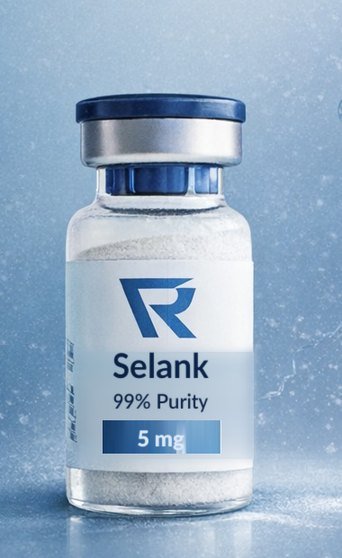
Verify your vial →Selank
TP-7, Thr-Lys-Pro-Arg-Pro-Gly-Pro
A heptapeptide analogue of the immunomodulatory tetrapeptide tuftsin, developed in Russia and studied as a non-benzodiazepine anxiolytic.
Research use only. This compound is supplied for laboratory research. It is not a medicine or supplement, is not approved for human use, and no dosing guidance for humans is offered here or by our team. Handle under appropriate laboratory conditions. Full disclaimer →
What the literature describes
Selank extends the tuftsin sequence (TKPR) with a Pro-Gly-Pro tail that markedly increases stability. Published work reports anxiolytic effects described as comparable to classical benzodiazepines but without the sedation and dependence profile; the proposed mechanism involves modulation of the interaction between GABA and GABA-A receptors rather than direct effects on GABAergic gene expression. Additional studies report effects on brain serotonin metabolism, enkephalin degradation and BDNF expression, plus attenuation of withdrawal signs in morphine- and alcohol-dependent rodent models.
Available sizes & pricing
Price is per single sealed vial, in USD. Buying several — volume pricing.
| Vial strength | Price | |
|---|---|---|
| 5mg | $78.40 | Order 5mg |
| 10mg | $117.60 | Order 10mg |
Published research
Links open peer-reviewed sources on PubMed. These are provided so you can read the primary literature yourself. Citing a study is not a claim that this compound is safe or effective for any use in humans.
- GABA, Selank and olanzapine affect the expression of genes involved in GABAergic neurotransmission in IMR-32 cellsPubMed
- Selank, a peptide analog of tuftsin, attenuates aversive signs of morphine withdrawal in ratsPubMed
- Selank and short peptides of the tuftsin family in the regulation of adaptive behaviorPubMed
- Comparison of the effects of Selank and tuftsin on serotonin metabolism in rat brainPubMed
- All indexed literature on Selank (PubMed search)PubMed search
Research areas
Studied in the same area
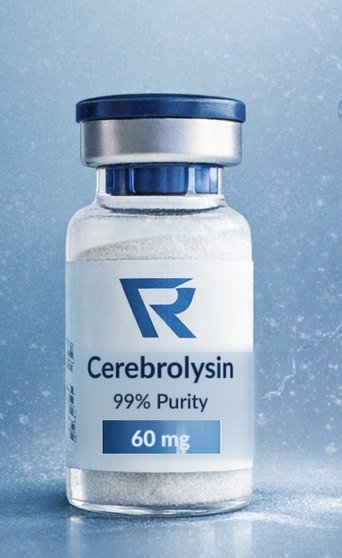
Cerebrolysin
A porcine-brain-derived peptide preparation studied extensively in neurorestoration literature.
60mg
$142.80 from, per vial
View